At Gilcrease Nature Sanctuary, visitors often notice salt blocks in some enclosures and wonder
why some animals are allowed salt while others are strictly protected from it. The answer is
simple but important: different species have very different nutritional needs.
Salt can be life-saving for some animals and life-threatening for others. Understanding that
difference is a key part of responsible animal care.
Why Salt Is Essential for Hoofstock
Animals like goats, donkeys, horses, an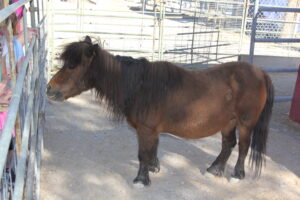 d llamas are built very differently from parrots.
These animals are:
● Grazers and browsers
● Designed to process minerals through large, complex digestive systems
● Naturally exposed to mineral deposits and soil salts in the wild
In nature, these animals seek our natural mineral licks to replace nutrients lost through sweat,
digestion, and growth.
At the sanctuary, salt and mineral blocks help support:
● Proper muscle and nerve function
● Hydration and electrolyte balance
● Bone strength and hoof health
● Milk production and growth in some species
For these animals, salt is not a treat. It is a necessary supplement.
Why Salt Blocks Are Carefully Controlled
Even for animals that need salt, more is not better.
That is why we:
● Use species-appropriate mineral blocks
● Place them in controlled locations
● Monitor intake closely
Salt blocks are formulated specifically for grazing animals, not for birds, carnivores, or
omnivores.
This is nutrition guided by biology, not convenience.
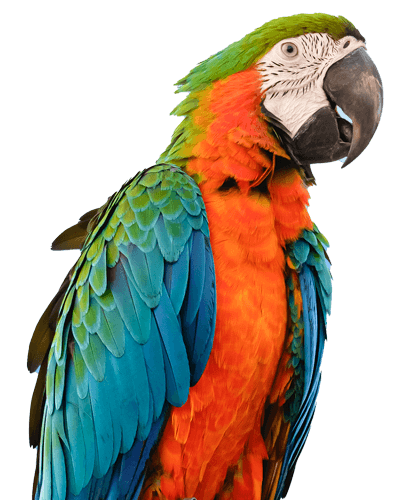
Why Parrots Must Never Have Salt
Parrots are built entirely differently.
They evolved eating:
● Fruit
● Vegetation
● Seeds
● Flowers
● Bark
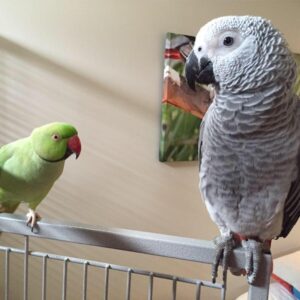
All of these foods are naturally very low in sodium.
Parrots:
● Cannot regulate excess salt
● Cannot safely flush sodium from their bodies
● Suffer organ damage from even small amounts
What supports a goat’s health can destroy a parrot’s kidneys and heart.
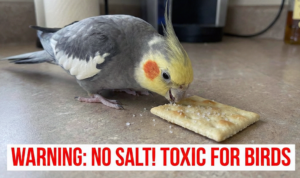
This is why crackers, chips, bread, and salty snacks are dangerous for birds, even in tiny
amounts.
One Rule Does Not Fit All
One of the biggest challenges in animal care is resisting the urge to generalize.
What is healthy for one species can be deadly for another.
This why the sanctuary diets are:
● Species-specific
● Veterinarian-approved
● Strictly enforced
It is not about restriction. It is about survival.
Education Protects Animals
When people understand why rules exist, they become partners in protecting animals, not
obstacles.
Salt blocks for goats are medicine.
Strict no-salt diets for parrots are medicine too.
Different animals.
Different needs.
Same goal: long, healthy lives.
This post is part of an ongoing series explaining why diet matters so deeply for the animals at
our sanctuary. Each species has unique nutritional needs, and understanding those needs is
one the most important ways we care for them