Sanctuaries are more than safe places for rescued animals. They are places where people learn, feel, and connect. When someone visits the sanctuary, something shifts inside them. They see animals not as distant wildlife, but as beings with personalities and stories. That connection is often the first step toward caring, and caring is the first step toward action.
Many visitors leave with new questions and a deeper understanding of the world around them. Children ask how animals end up at the sanctuary. Adults want to know how they can help protect endangered species. Teens discover passions they never knew they had. Sanctuaries invite people into the conservation story in a personal way and show them that their involvement matters.
Conservation is not just a global issue happening in rainforests and coral reefs. It affects every community, including ours. When habitats shrink, species disappear, and the balance of nature shifts, the impact eventually reaches all of us. If we stay silent and do nothing, the consequences will arrive at our very own doors. We have already seen this with declining pollinators, disappearing desert wildlife, and shrinking biodiversity. The choices we make today shape the world we will leave for future generations.
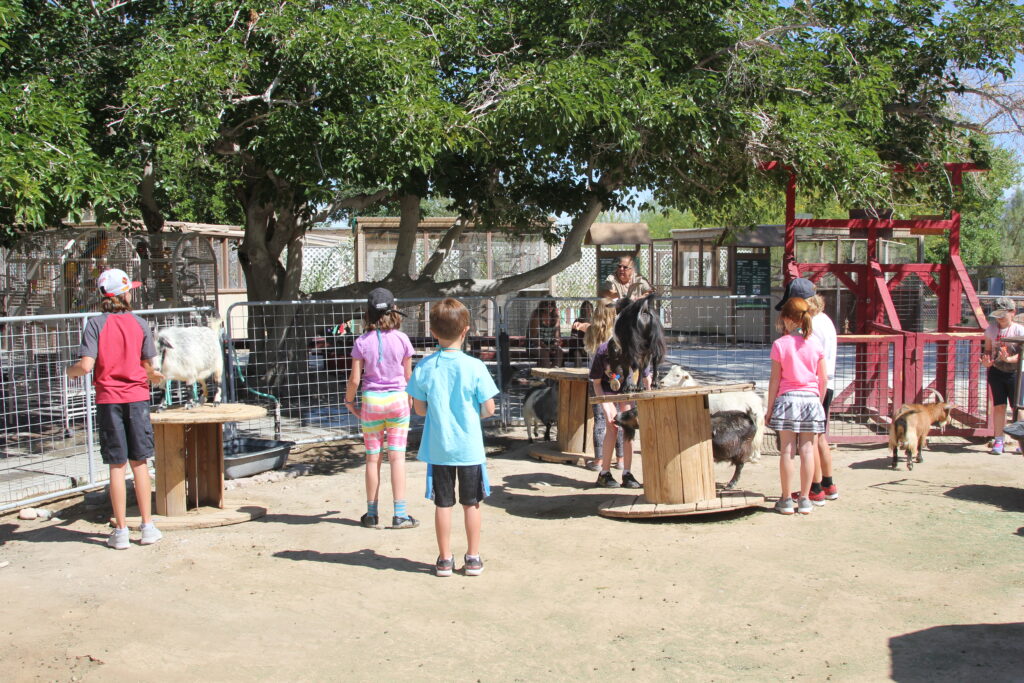
This is why places like Gilcrease Nature Sanctuary exist. We show people what is at stake. We teach children that every creature plays a role in our shared environment. We remind adults that everyday decisions, even small ones, can help protect wildlife. We help families discover that kindness toward animals is part of the kindness toward our planet.
And the most inspiring part is this: when people change, communities change too. One person learns something new, then shares it with a friend. A child tells their parents about an endangered species they learned about. Volunteers teach others what they have experienced firsthand. This ripple effect is how conservation grows. It starts small, then spreads until an entire community becomes more aware, more caring, and more determined to protect the natural world.
Sanctuaries plant the seeds of that change. They open hearts and open conversations. They turn visitors into advocates. And they remind all of us that hope for the future is built through the choices we make today.